College Fears Debunked: Cultural Adjustments
Going to college for the first time can feel like you’re stepping into the unknown. Whether you’re dreading it or you can’t wait for this experience, you may still be feeling nervous.
So instead of fretting, let’s talk about these fears. No matter what, you should know that going to college is not as scary as you think it will be. In this post of our College Fears Debunked series, we’re diving into cultural adjustments, what they feel like, why they happen, and how you can navigate them with confidence.
What Are Cultural Adjustments?
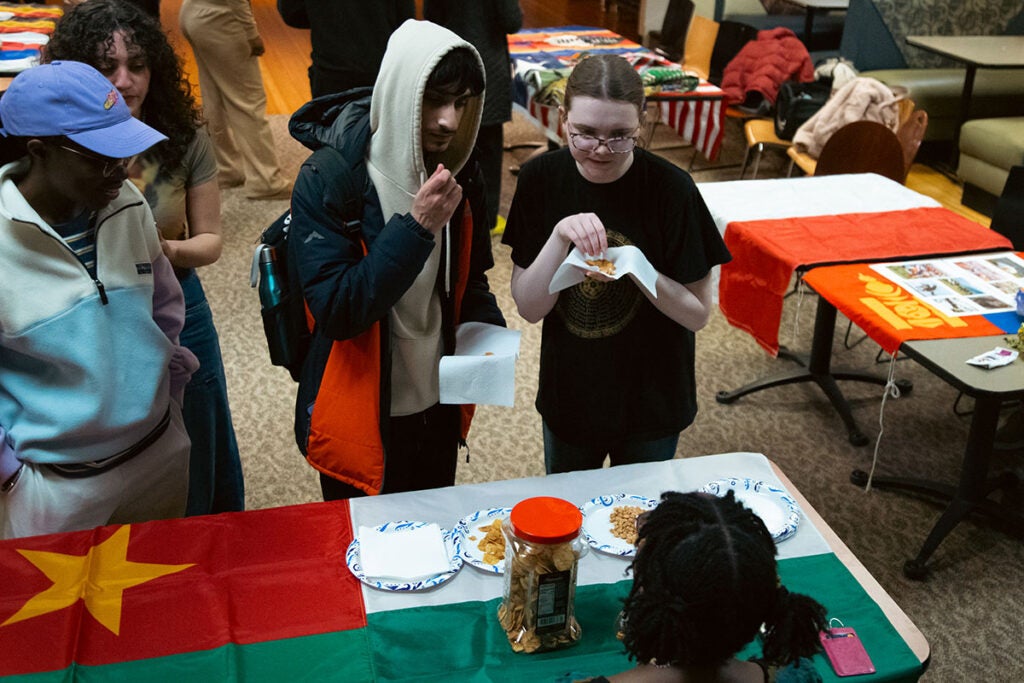
Students try new foods at the international cultural fair at Luther College.
Even as someone who eagerly anticipated the college experience, I carried some nervousness beneath my excitement. Being an international student amplified these feelings. It was not just about academics or keeping up with coursework. It involved adjusting to new cultural norms, interpreting unfamiliar social cues, getting used to food that was different from what I was used to, experiencing different holidays, navigating subtle language differences, and adapting to an independent and discussion-based learning style that expects active participation.
Drawing from my journey at Luther College, insights from campus resources and other student perspectives, it became clear to me that these fears were not personal shortcomings or indications of failure. Instead, they were a natural response to a major transition. Adjustment is a process that unfolds gradually. With patience and the right support, what initially feels overwhelming evolves into meaningful growth and a sense of belonging.
The journey is not just about surviving a transition. It is about thriving within it and carrying that strength forward long after graduation.
Sandesh Bhandari ’28Computer Science Major
Remember: It Is Normal and Temporary
Culture shock is a common and expected phase for many incoming students, both international and U.S. students alike, in the first few months. It does not signal that something is wrong. Instead, it reflects your mind and body adapting to new experiences and expectations. The initial overwhelm often feels intense, but as routines form and the campus environment becomes familiar, that intensity gradually fades.
Identifying these feelings early helped me manage them and ease the transition. Being physically distant during festivals and important moments back home can amplify homesickness and feelings of separation. Here are four strategies that helped me manage these overwhelming feelings:
- Track your emotional responses through journaling. Writing down your thoughts allows you to address concerns proactively before they become overwhelming.
- Seek mental health guidance through campus resources, which offer free, confidential, and professional counseling. Knowing that asking for help was accepted and encouraged eased much of my stress. Seeking support early is important for your well-being.
- Join a student organization. The International Students and Allies Association connected me with peers navigating similar transitions and gave me a welcoming space to normalize these challenges.
- Lean into structured programs such as Endeavor Together, Luther’s outdoor pre-orientation experience. Hiking local trails and engaging in group activities before classes begin creates a real bond. Entering the semester already connected to peers makes this transition significantly smoother.
Build a Community
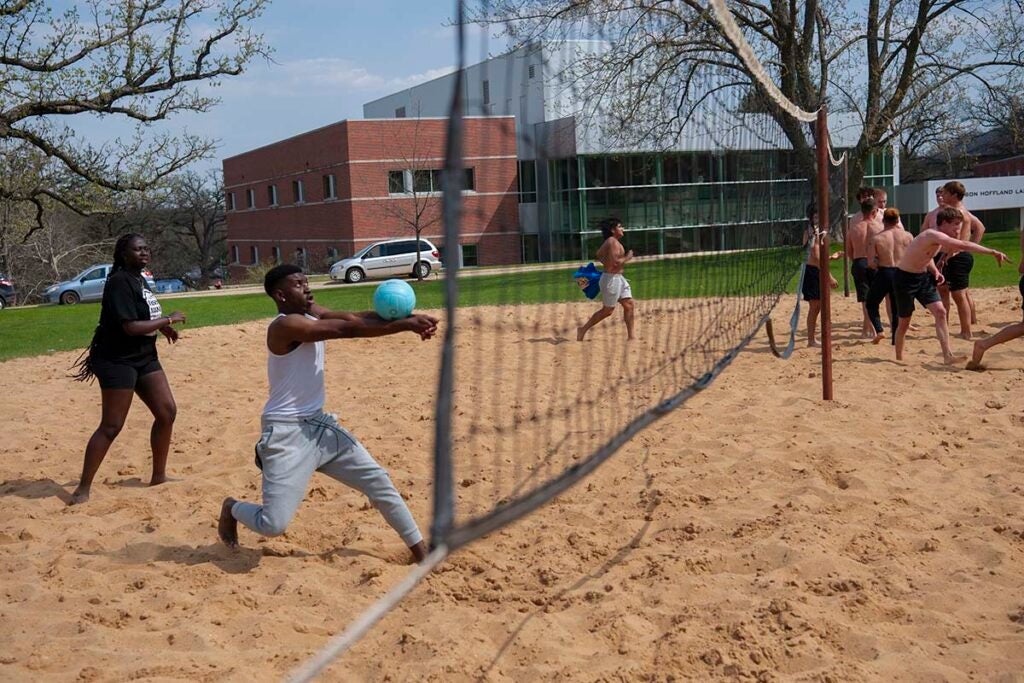
Sand volleyball brings students together at Luther College.
One of the most common fears for students coming from different cultural backgrounds is feeling like an outsider. You might worry about your accent, or whether you will miss cultural references in conversations. But campuses like Luther are genuinely diverse communities. With students representing over 60 countries, the environment is designed to foster understanding across backgrounds. Here are three ways to build your community:
- Join on-campus sports and study groups. These helped me expand my social circle, and workshops from the international support staff create opportunities to build friendships beyond familiar circles.
- Work with your Resident Assistant. If roommate conflicts come up, and they are usually minor things like noise levels or cleanliness, RAs are available and trained to help mediate and keep communication respectful.
- Connect with alumni networks. Reaching out to an alum in your field early in your first year can offer perspective that no orientation booklet can provide. Hearing their stories reframes the experience from one of isolation into a shared journey of growth.
Academic Success and Language Confidence
English is not my first language, so I initially worried about misunderstanding assignments, keeping pace in discussions, or communicating effectively. Classroom discussions moved quickly and I hesitated to speak at first. But Luther College’s approachable professors encouraged questions, creating a supportive environment where seeking clarification was seen as engagement and growth rather than weakness.
Additional strategies that helped me build academic confidence include:
- Using academic support resources. Writing centers and peer tutors are readily available to help clarify assignments and refine your communication skills.
- Practicing outside of class. Language exchange programs and building up small conversations in the cafeteria gradually improved my fluency over time.
- Contributing in group study and class discussions. Even small contributions made consistently helped me build confidence over time.
Manage Health and Wellness
A lot of students worry about staying healthy far from home. You might feel unsure about how to navigate a new healthcare system, keep up a physical routine, or manage the stress that comes with cultural adjustment. These concerns are valid, but they are also very manageable with the right preparation.
Luther automatically enrolls international students in health insurance, ensuring access to care. Becoming familiar with your coverage details and prioritizing preventive check-ups supports your long-term well-being throughout the semester.
Staying physically active is equally important. Joining the fitness center and participating in indoor sports strengthened my physical and mental health while also creating opportunities to socialize. Having guidance and support during these stages prevents confusion and builds confidence in managing situations and responsibilities on your own.
Thriving in Transition

Students meet a friendly dog at the Activities Fair.
Cultural adjustments, I learned, are not a barrier but a defining part of the college experience. While challenges are inevitable, you can overcome them with support from institutional resources, inclusive communities, and structured guidance. With persistence, openness, and engagement, initial fears gradually transform. Rather than shrinking your identity, these experiences expand it. They cultivate adaptability, cross-cultural awareness, confidence, and lifelong connections. The journey is not just about surviving a transition. It is about thriving within it and carrying that strength forward long after graduation.
Additional Resources
Related Posts
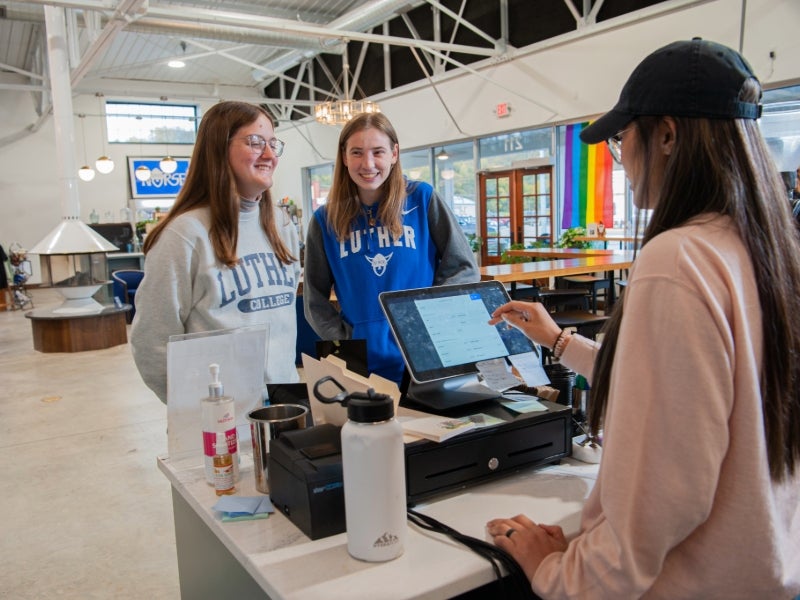
Every great college town has its own unique features — the things that you won’t read about on any college website, and that give the town its special flair. In this blog post, we’re giving you an inside look at some of the most interesting food, outdoor activities and local events that you can experience in Decorah, Iowa, at Luther College.
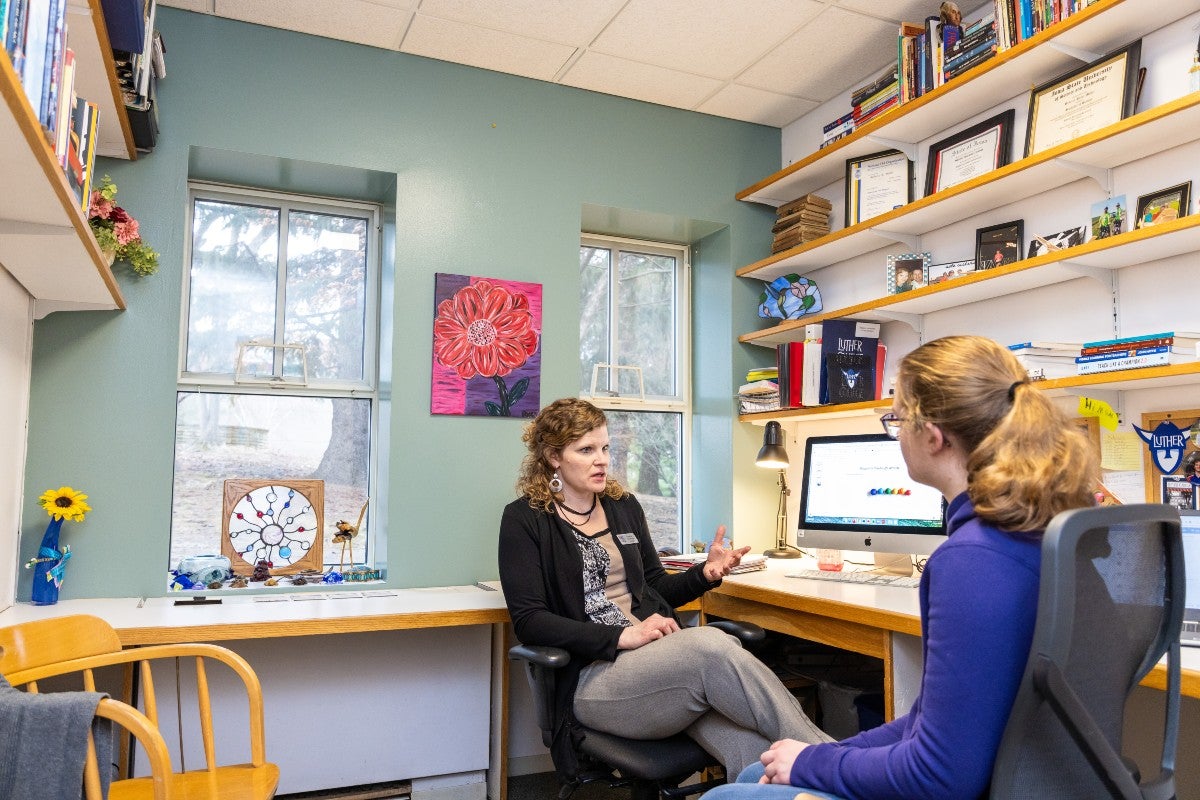
Do you have fears about handling the financial pressures of college? This post covers how to handle your financial needs, and why your fears shouldn’t deter you from continuing your education.
Admissions Office
Luther College
700 College Drive
Decorah, Iowa 52101
Phone: 563-387-1287