Luther College’s Cafeteria to Community program hits major milestone
The Luther College Cafeteria to Community program hit a major milestone. Since the program’s inception in 2014, more than 80,000 pounds of food has been donated to local organizations to address hunger.
“The Caf to Community program is a great opportunity to simultaneously reduce Luther’s food waste and help feed our community,” said Meg Sessions ’23, student program coordinator. “The meals we send are recently-prepared, healthy and balanced, which recipients of the food appreciate. Volunteering with Caf to Community is an easy way to make an impact in our community while encouraging sustainability on campus.”
Twice a week, students, volunteers and Luther Dining Services staff work together to package and label food that is provided to four Northeast Iowa facilities: Open Hands Food Pantry, Northeast Iowa Community Action, Decorah Food Pantry and Midwest Mission Bible Training Center. Each facility ensures that individuals and families receive the nutritious meals at little to no cost.
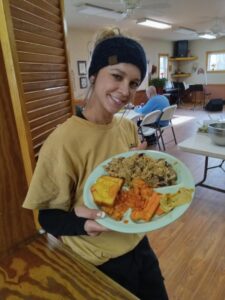
John Talley is a director at the Midwest Mission Bible Training Center in Cresco, a non-profit, faith-based organization serving those who are desperate to overcome drug, alcohol or emotional problems. He says that they rely on this food week after week.
“We are so grateful to Luther College for this food and the organization and thought behind it,” said Talley. “Not a day goes by that Luther’s food is not utilized. The donations are integral in ensuring our residents are fed healthy and delicious meals.”
The Cafeteria to Community program also keeps food waste out of the landfill. The U.S. Environmental Protection Agency (EPA) published a report in 2021 that indicates food waste is the single most common material landfilled and incinerated in the country. The EPA estimates that food loss and waste leads to 170 million metric tons of carbon dioxide equivalent GHG emissions—equal to the annual CO2 emissions of 42 coal-fired power plants. This estimate does not include the significant methane emissions from food waste rotting in landfills.
Another way Luther avoids adding to the landfill load is through its composting efforts. “Cafeteria to Community is part of a trio of efforts to reduce food waste at Luther College,” said Chris Frantsvog, sustainability coordinator at Luther. “All food prep scraps and dining waste are composted and compost collection sites are available in every residence hall and academic building. These two compost approaches plus Cafeteria to Community are helping keep Luther on track toward its goal of carbon neutrality by 2030.”
Related Posts
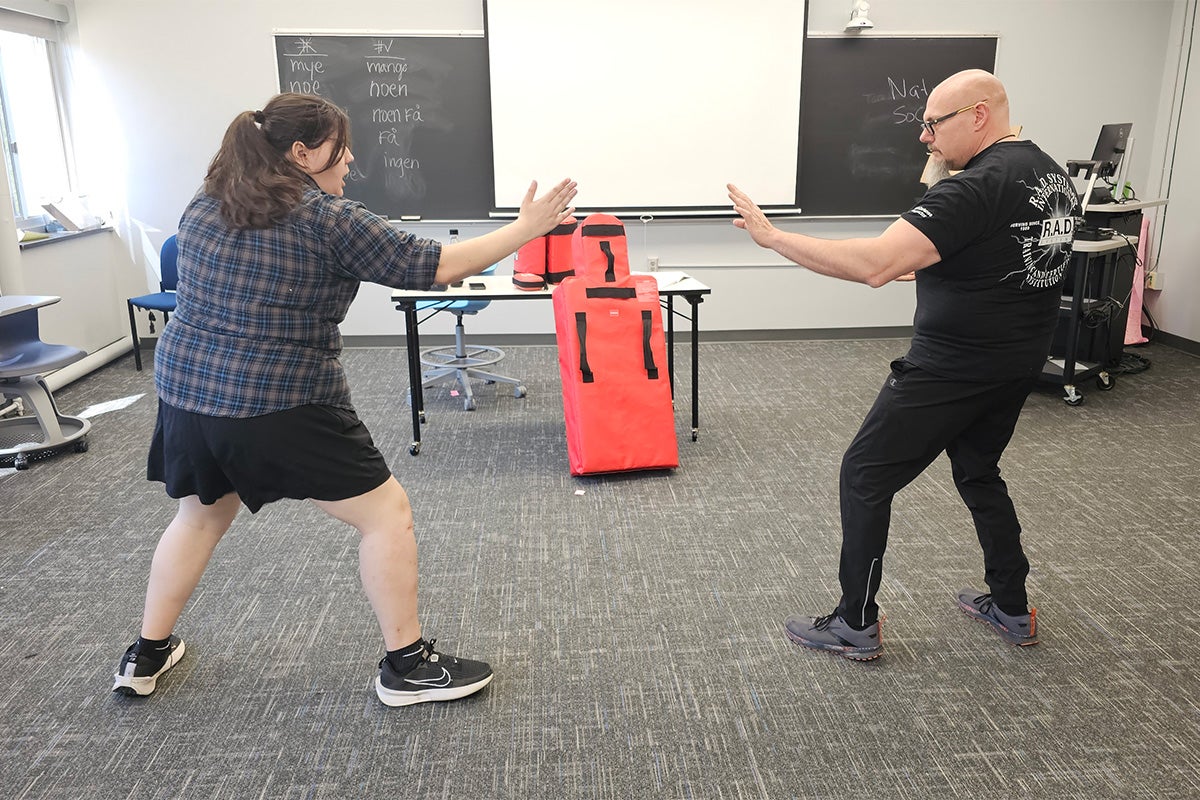
The nationally recognized self-defense training program is called R.A.D. (Rape.Agression.Defense) Basic Physical Defense for Women.
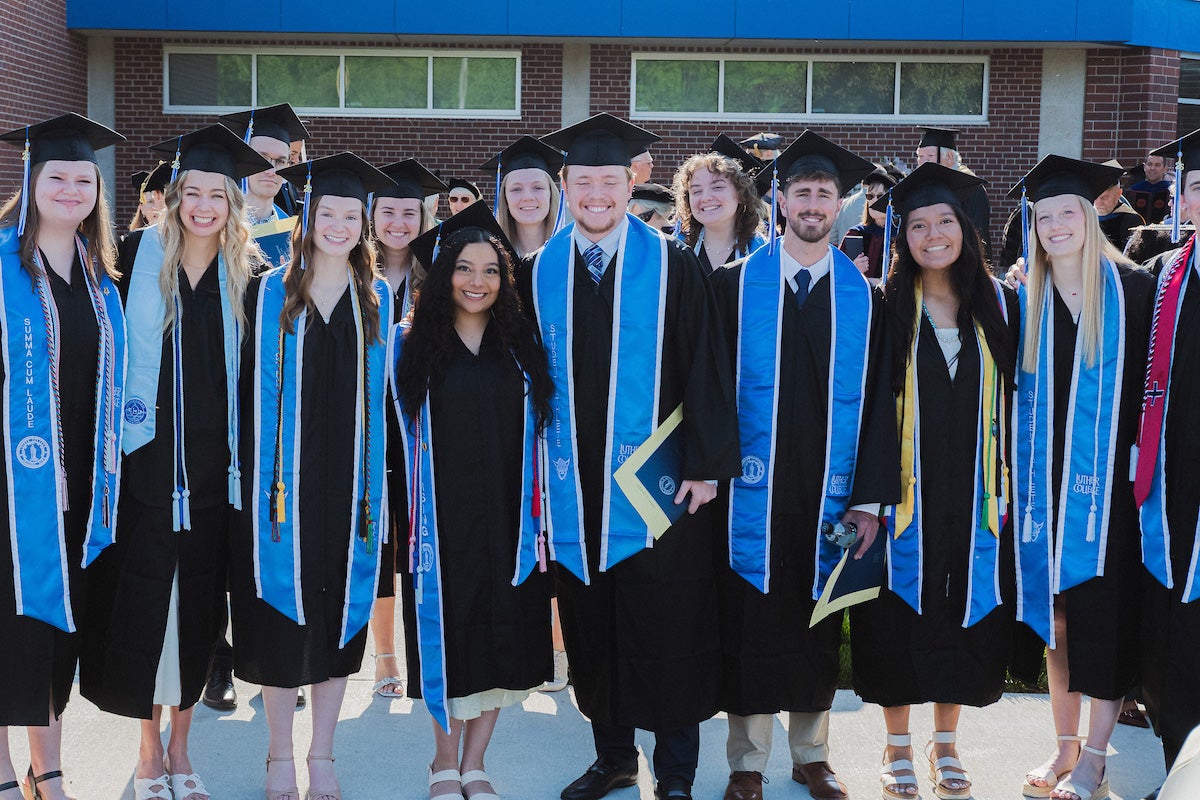
Among these graduates that participated in Commencement, 22% were double majors and 20% were first-generation college students.
Contact Information
Michelle Volkmann
Media Relations Specialist
Phone: 563-387-1417